Table of Contents
- Why Maintenance Matters
- Common Maintenance Tasks
- Benefits of Regular Maintenance
- When to Call a Professional
- Conclusion
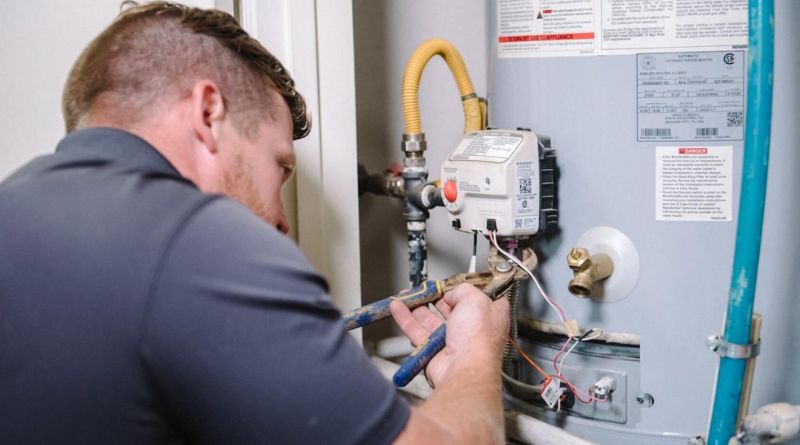
Maintaining your water heater is essential not only for ensuring a reliable supply of hot water but also for protecting your investment over the long term. A well-cared-for water heater will experience fewer breakdowns and provide greater energy efficiency, which saves money and reduces frustration. By performing regular maintenance and scheduling inspections with trusted water heater plumbers in Hallettsville TX, homeowners can avoid unexpected issues and keep their systems running smoothly.
A neglected water heater can succumb to wear and tear more quickly, leading to costly repairs or premature replacement. Regular checks and simple maintenance tasks help identify potential problems early. This proactive approach helps cut down on wasted energy, increases comfort, and lowers the risk of sudden water heater failures.
Why Maintenance Matters
Water heaters degrade over time due to several factors. Sediment accumulation, corrosion, and the gradual wearing out of internal components all contribute to reduced efficiency and a shortened lifespan if left unaddressed. The inside of a tank can become coated in mineral deposits from hard water, insulating the heating element and forcing the system to work harder. Components like the anode rod, which helps delay corrosion, will eventually lose effectiveness. According to the U.S. Department of Energy, neglecting maintenance can significantly reduce not only efficiency but also how long your water heater lasts. Routine inspections and cleaning address these issues, ensuring your system operates at its best.
Common Maintenance Tasks
There are several straightforward tasks that homeowners or professionals can perform to extend the life of a water heater:
- Flushing the Tank: Over time, sediment settles at the bottom of the tank, which can reduce heating efficiency and potentially damage the system. Draining and flushing the tank at least once a year removes this build-up and promotes proper operation.
- Inspecting the Anode Rod: The anode rod is a vital part of corrosion prevention inside the tank. It should be checked every three to five years and replaced if it appears heavily corroded or worn down.
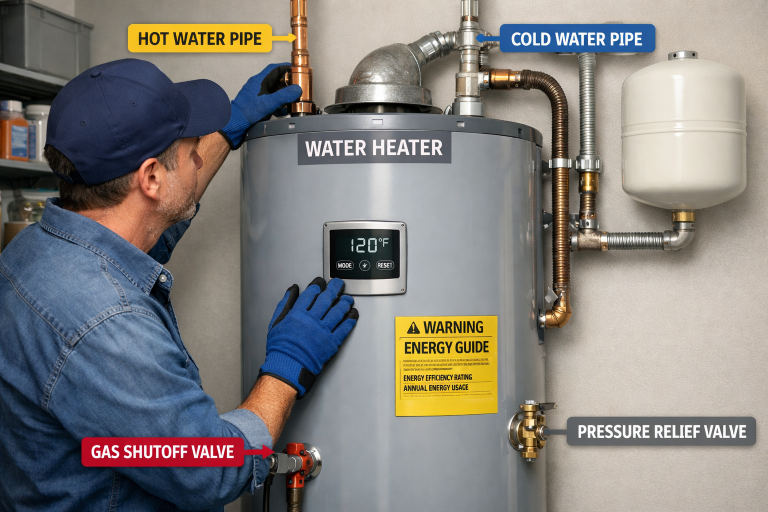
- Testing the Pressure Relief Valve:This safety device is crucial for preventing excessive pressure build-up inside the tank. Regularly testing it ensures it is functioning properly and provides peace of mind.
- Checking for Leaks and Corrosion:Inspecting the tank and connecting pipes periodically helps identify any leaks, rust, or corrosion before they develop into more serious problems.
Benefits of Regular Maintenance
Committing to routine maintenance provides significant benefits that make the small effort worthwhile:
- Extended Lifespan: Regular care can add years to your water heater’s useful life, postponing the need for a replacement.
- Improved Efficiency: Cleaner, well-maintained systems consume less energy and therefore lead to reduced monthly utility costs. According to Consumer Reports, regular maintenance is key to sustaining optimal performance in water heaters of all kinds.
- Enhanced Safety: System checks and preventive actions help avoid dangerous situations such as tank ruptures or dangerous pressure levels. Timely maintenance also cuts down the likelihood of carbon monoxide leaks in gas-powered systems.
- Less Risk of Disruption: Ongoing upkeep means fewer chances of unexpected cold showers or emergency plumbing calls, which adds convenience and comfort for the whole household.
When to Call a Professional
While some maintenance steps, such as flushing the tank and visually inspecting for leaks, can be completed by most homeowners, other tasks require the skill and tools of a licensed plumber. If you encounter persistent issues like discolored water, odd noises coming from the tank, water that does not get hot enough, or anything else that seems out of the ordinary, calling a professional is the safest choice. Trained experts can inspect and repair parts that are difficult or hazardous to handle without proper training, ensuring your system remains efficient and safe.
More Tips for Preventative Care
Beyond the standard tasks mentioned, there are additional preventive measures you can incorporate into your water heater maintenance routine for added peace of mind. For instance, setting the thermostat to 120 degrees Fahrenheit not only prevents accidental scalding but also eases wear on your water heater, prolonging its life. Insulating exposed pipes, especially those located in unheated areas, can prevent heat loss and reduce the risk of freezing during colder months. Additionally, consider insulating your water heater tank if it’s an older model (but avoid covering the thermostat and burner compartment on gas models). This simple upgrade can help conserve energy and improve efficiency.
Listening for changes in how your water heater sounds can also be a valuable preventative step. Popping or rumbling noises may indicate excessive sediment accumulation or mineral scale, and catching these signs early allows for swift corrective action. Visually inspecting for rust-colored water or moisture around the base of your unit is just as important, as these are common indicators of corrosion or slow leaks that, if addressed early, can save you from water damage and costly emergency replacements.
If your household water often appears cloudy or has an unusual smell, the issue may not lie entirely within your water heater. However, scheduling a maintenance check can help you determine the source and potentially solve minor problems before they escalate. For homes with particularly hard water, installing a water softener can reduce mineral buildup in your heater and extend its operating life. Water softeners help to limit sediment and scale, lessening the frequency of tank flushes and increasing overall system efficiency.
Finally, always keep the area around your water heater free of debris and clutter, especially if you have a gas water heater. Adequate ventilation is crucial to safe and efficient operation, and storing flammable materials nearby can present significant hazards. Making a habit of periodically cleaning and organizing around the appliance ensures both safety and easier access for inspections and repairs when needed.
Conclusion
Proactive water heater maintenance is a simple investment that delivers returns in longevity, reliability, and cost savings. By knowing which tasks to perform regularly and when to call in professional help, you can enjoy the comfort of consistent hot water all year long while protecting one of your home’s key appliances.
Don’t overlook the importance of scheduling an annual maintenance check, even if you haven’t noticed any issues. Preventive service not only catches problems before they become disruptive but also supports optimal performance and safety. In the long run, these regular efforts can mean the difference between a water heater that requires frequent repairs and one that provides dependable hot water for years without unexpected hiccups.