Key Takeaways:
- Diesel engines are integral to various transportation sectors, including trucking, rail, and marine.
- Advancements in diesel technology have led to increased efficiency and reduced emissions.
- Despite the rise of alternative fuels, diesel remains a dominant force in heavy-duty transport.
Diesel engines remain a cornerstone of modern transportation, powering the vehicles and equipment that keep industries, supply chains, and communities moving every day. From long-haul trucks and buses to construction equipment and municipal fleets, their combination of durability, torque, and fuel efficiency makes them well-suited for demanding commercial applications. As transportation needs continue to evolve, advancements in engine design and emissions technology have further improved the performance and reliability of diesel-powered systems.
Among the many engines used across commercial operations, the Cummins ISL engine has earned recognition for its versatility in medium- and heavy-duty applications. Found in a variety of trucks, buses, and vocational vehicles, it demonstrates how modern diesel technology can balance power, efficiency, and dependable operation. Understanding the role of engines like the Cummins ISL helps fleet operators and equipment owners make informed decisions about maintenance, performance, and long-term transportation planning.
Diesel Engines in the Trucking Industry
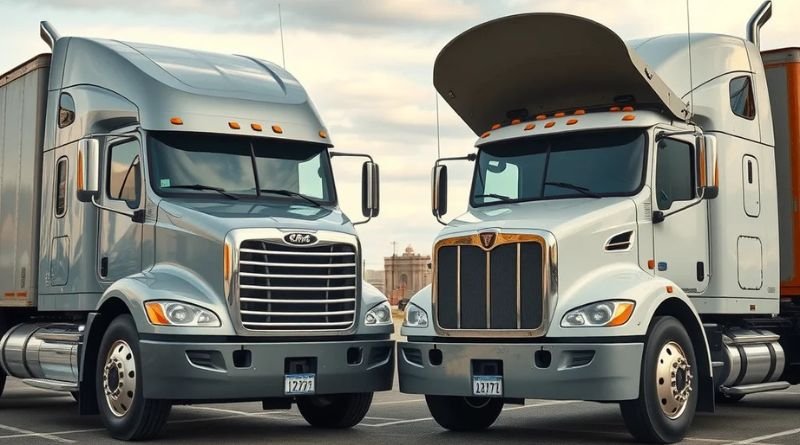
The trucking sector relies heavily on diesel engines, which power the majority of long-distance freight in North America due to their superior torque and fuel efficiency. As of late 2025, more than 98% of commercial vehicles in the U.S. are equipped with internal combustion engines, with diesel engines accounting for 76% of that total. Many of these trucks and buses utilize advanced diesel technologies, demonstrating the industry’s commitment to efficiency and environmental responsibility. Fleet operators value the extended range and reduced downtime provided by modern diesel engines, along with innovations that improve cleanliness and compliance with emissions regulations. These advancements also help minimize operational disruptions and lower ownership costs.
Diesel’s Role in Rail Transportation
Diesel engines play a unique role in rail transport, primarily through diesel-electric locomotives. These engines burn diesel fuel to generate electricity, which then powers electric traction motors. This hybrid approach delivers operational flexibility and efficiency, especially in regions where full electrification of rail lines would be economically challenging or technically unfeasible. Unlike their steam or pure-electric predecessors, diesel-electric locomotives offer substantial savings in infrastructure costs and can operate seamlessly across vast, non-electrified networks.
Diesel technology is also preferred for its ability to produce the high torque needed for long, heavy trains. Ongoing advancements in locomotive design focus on reducing fuel consumption and emissions, ensuring that diesel-powered rail transport continues to evolve alongside clean energy initiatives.
Marine Applications of Diesel Engines
Across the world’s oceans, diesel engines serve as the primary means of propulsion for most ships, from small commercial vessels to vast cargo carriers. The robustness of diesel engines, combined with their proven fuel economy, makes them ideal for marine operations where reliability is non-negotiable. The largest marine diesel engines used in container ships can produce nearly 100 megawatts of power, driving vessels laden with thousands of tons of cargo across continents.
The shipping industry, with its immense volumes and global reach, depends on diesel-driven efficiency and enduring performance. Rigorous maintenance regimes, combined with advances in emissions technology, have enabled marine diesel engines to comply with international environmental standards. As emission limits tighten, the industry continues to innovate, introducing cleaner-burning fuels and improved exhaust treatment systems.
Technological Advancements in Diesel Engines
The past decade has seen a dramatic evolution in diesel engine design. Features such as four valves per cylinder, advanced turbocharging, direct fuel injection, and computer-controlled fuel management have made today’s diesel engines more capable and environmentally responsible than ever. Common-rail fuel injection systems now deliver precise metering under high pressures, increasing both power output and fuel efficiency while reducing emissions.
Pilot injection cycles, improved exhaust gas recirculation (EGR), and high-efficiency particulate filters further enhance engine cleanliness and responsiveness. The innovation underway in advanced manufacturing and digital control lays the groundwork for even more intelligent diesel engines, keeping them at the forefront of industrial and transportation applications.
Environmental Impact and Emission Controls
Concerns over emissions and public health have led to the introduction of robust regulations governing the operation and production of diesel engines. In the United States, the emerging EPA27 emissions standard will require even stricter limits on nitrogen oxides (NOx) and particulate matter. Engine manufacturers are responding not just by improving combustion efficiency, but also by investing in exhaust after-treatment technologies such as selective catalytic reduction (SCR) and diesel particulate filters (DPFs), which help reduce harmful exhaust components.
These continuous enhancements have resulted in newer diesel vehicles being considerably cleaner than models from just ten years ago. The industry’s advancements exemplify how traditional technologies can evolve to fulfill contemporary sustainability and regulatory standards.
The Future of Diesel in Transportation
Despite increasing attention to electric vehicles and alternative fuels, diesel engines are expected to retain a vital role in sectors where power density, fuel availability, and reliability are paramount. Their continued development aims to meet yet more rigorous emissions targets and further increase efficiency. Hybrid configurations and renewable diesel fuels are also emerging, offering a promising path toward reduced carbon footprints without sacrificing performance.
Research into next-generation combustion processes, synthetic fuels, and advanced digital controls signals a new chapter in the diesel engine’s development. As transportation networks modernize, diesel technology will remain central where no reasonable alternative currently exists, while undergoing transformation alongside cleaner power sources.
Conclusion
Diesel engines remain one of the most significant foundational pillars in modern transportation, valued for their adaptability, endurance, and capability. Technical innovation and responsive design enable diesel-powered vehicles and vessels to comply with tougher environmental standards while meeting the demands of economies in motion. As the future unfolds with an eye toward sustainability, diesel technology is poised to evolve, underscoring its ongoing importance to global commerce and connectivity.