Key Takeaways
- Modern portfolio websites are often the testing ground for design trends that influence the entire web.
- The focus on minimalism, interaction, and personalization is defining new standards.
- Studying portfolio trends helps designers stay ahead and create more relevant, captivating online experiences.
In today’s dynamic digital world, portfolio websites have evolved from simple collections of creative work into powerful influencers of mainstream web design. These online showcases not only reflect personal expertise but also set new standards in aesthetics, functionality, and storytelling. By studying the latest portfolio website innovations, designers can gain valuable insights into what’s next in the broader design landscape.
New trends in portfolio web design are rapidly being adopted across all types of websites. Minimalist visuals, interactive storytelling, and highly personalized user experiences are no longer the exception; they are shaping how digital experiences are crafted and consumed beyond creative fields. Understanding these developments is crucial for anyone aiming to build engaging websites that stand out.
Staying up to date with portfolio trends not only improves professional visibility but also enhances user engagement and satisfaction. As audiences grow more discerning, integrating both visual sophistication and usability becomes critical for overall website success.
Contemporary portfolio websites regularly innovate with layout, motion, and performance. This experimentation signals a broader evolution in how digital design is approached, prioritizing both creative expression and practical results.
Minimalist and Clean Designs
Minimalism remains a central pillar in current portfolio web design. With clear lines, balanced whitespace, and carefully selected color schemes, designers are creating environments where their work can shine without distraction. These stripped-down, visually serene sites not only draw attention to content but also foster a more focused and efficient browsing experience.
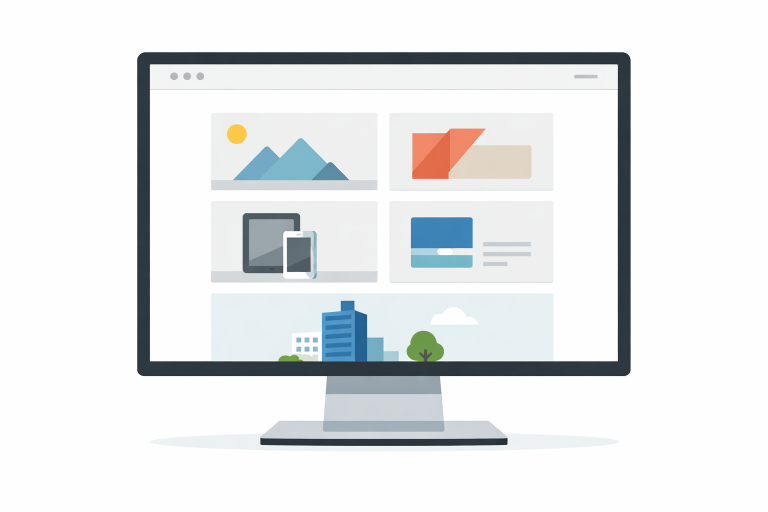
This aesthetic isn’t just about visual appeal. It directly contributes to easier navigation and faster page loads, both of which improve user retention. Portfolios that achieve this balance set expectations for usability across the web.
In addition, minimalist design often leverages negative space to draw attention to featured projects and key calls to action. Designers increasingly use grid systems to introduce visual rhythm and consistency throughout their portfolios, further enhancing the sense of organization and clarity. The restrained use of typographic contrast and a limited, harmonized color palette plays a vital role in guiding the user’s gaze and strengthening brand identity. For many creative professionals, these design choices communicate a sense of confidence and restraint, inviting visitors to linger on the work itself rather than getting distracted by superfluous visual noise.
Interactive and Dynamic Elements
Modern portfolios often feature interactive elements that engage users from the moment they land on the homepage. From hover effects and animated transitions to on-scroll reveals and micro-interactions, these elements demonstrate technical skill while encouraging visitors to delve deeper into the showcased work.
Effective interactivity turns passive viewing into active exploration. It signals innovation and modernity, inviting audiences to connect more meaningfully with the designer or brand.
Dynamic elements also offer subtle feedback that reassures users they are taking the right actions, adding a sense of playfulness and intuitiveness. For example, animated progress bars can visually communicate project timelines, while interactive galleries encourage users to navigate through multiple project layers. Designers frequently experiment with parallax effects or motion-driven backgrounds to immerse visitors more deeply in the site’s narrative. These tailored, sensory-rich experiences ultimately differentiate standout portfolios from more static, conventional alternatives, building memorable interactions that inspire return visits.
Editorial-Style Layouts
Borrowing from digital publishing, many portfolio sites now use editorial-style grids, typographic hierarchies, and intentional whitespace to present work as curated stories. These layouts help guide the user’s eye from one section to the next, creating a seamless narrative flow that enhances comprehension and engagement.
By integrating these storytelling structures, portfolios become more than visual galleries; they frame each project as a case study, allowing for deeper context and connection. More companies are also applying similar editorial approaches to their own sites to boost engagement and readability, as highlighted by Creative Bloq’s collection of 15 brilliant design portfolio examples.
Editorial-style layouts also help visitors progress naturally through the portfolio, using modular cards or magazine-style article segments to highlight project details, client challenges, and creative outcomes. Thoughtful sectioning and story-driven visuals add depth, making the user’s journey feel cohesive and purposeful. These layouts are also optimized for responsiveness, ensuring that typographic hierarchy and sectional balance are preserved on both desktop and mobile devices.
Purpose-Driven Motion and Micro-Interactions
Animation and motion now serve clear, functional purposes within high-performing portfolios. Designers utilize subtle transitions, scroll-driven effects, and state changes to clarify user actions, focus attention, or emphasize project details. Purposeful motion enhances responsiveness without being visually overwhelming, distinguishing expert-level sites from those that rely on flashy but distracting effects.
These carefully considered interactions ensure that movement feels both intuitive and helpful, turning navigation into a tactile, enjoyable process.
Incorporating purposeful animation not only delights users but also directs their attention to important information, such as new work updates or highlighted testimonials. Custom loading animations, for instance, manage user expectations when navigating between content-heavy pages. Meanwhile, hover-triggered transitions or touch-based gestures on mobile devices ensure accessibility and usability across platforms. The considered use of motion reflects a designer’s mastery of both the technical and psychological aspects of user experience, ensuring the flow feels seamless and intentional at every step.
Performance-First Design
Speed and fluidity have become hallmarks of top portfolio sites. Fast loading and instantaneous interactions demonstrate technical competency and respect users’ time. Lightweight design assets, responsive frameworks, and mobile-first development strategies are now expected, not optional.
Visitors not only enjoy a seamless experience but also come away with a positive, professional impression. This performance-first mindset is increasingly critical for all types of websites, given today’s high user expectations and diverse browsing environments.
Personalization and AI Integration
Tailoring the portfolio experience to the visitor is an emerging trend. Designers are experimenting with content ordering, project highlights, and context-based introductions that dynamically adapt to who is browsing. When used responsibly and subtly, personalization makes content discovery more efficient without feeling intrusive or compromising privacy.
Early integrations of artificial intelligence also allow for smarter content recommendations and guided navigation, giving visitors a tailored journey and helping them find what is most relevant, most quickly.
Looking forward, personalization is expected to become even more intelligent and nuanced as AI capabilities mature. Portfolios may soon leverage advanced user behavior analysis, voice interaction, and even emotion detection to further optimize the browsing journey. By anticipating user needs, such as suggesting related case studies or pre-filtering work examples based on the visitor’s professional background, portfolios will offer a more immersive and helpful experience that extends far beyond static collections. Responsible implementation of data-driven features will be key in maintaining trust and ethical standards as these trends advance.
Conclusion
Modern portfolio websites are proving grounds for the evolution of web design, combining minimalist layouts, advanced interactivity, editorial storytelling, performance optimization, and thoughtful personalization. These trends not only elevate creative professionals but also inspire the wider digital community to raise the bar for usability, engagement, and technical excellence.