
Table of Contents
- Why Pre-Closing Checks Matter
- Property Records to Review
- Ownership, Liens, and Claims
- Physical, Legal, and Financial Issues
- Closing Costs and Service Providers
- The Final Walk-Through
- Fraud Warning Signs
- Questions to Ask Before Signing
- Buyer Checklist
- Final Takeaway
A beautiful home, a competitive price, and a favorable inspection report are all important. They are not, however, the whole story. Before signing a purchase agreement or final closing documents, buyers should also understand the property’s records, costs, restrictions, and unresolved issues.
One important part of that review is understanding owner’s title insurance and the role it can play in protecting a buyer’s interest if certain past ownership or record problems surface later. A thoughtful review before closing in real estate transactions can identify potential questions early, allowing time for resolution. The processes involved vary by location and loan type, with some regions relying on settlement agents or title companies, while others involve real estate and attorneys. Regardless of who handles the paperwork, buyers should be aware of what is being reviewed and what requires attention. The aim is to eliminate guesswork through documentation and direct inquiries, fostering a clear understanding of the purchase terms.
Why Pre-Closing Checks Matter
Closing is the point at which a home purchase becomes legally and financially real. A missed issue can delay the transaction, change the buyer’s costs, or create a problem that must be addressed after move-in. For example, a title search may reveal an old mortgage that appears to remain open in public records, even though the seller believes it was paid years ago. That issue may be fixable, but it should be cleared before the transfer whenever possible.
Reviewing records also helps buyers confirm that the property described in the purchase agreement is the same property reflected in public documents. It gives the closing team a chance to address discrepancies in names, parcel descriptions, taxes, access rights, or recorded claims before funds are disbursed.
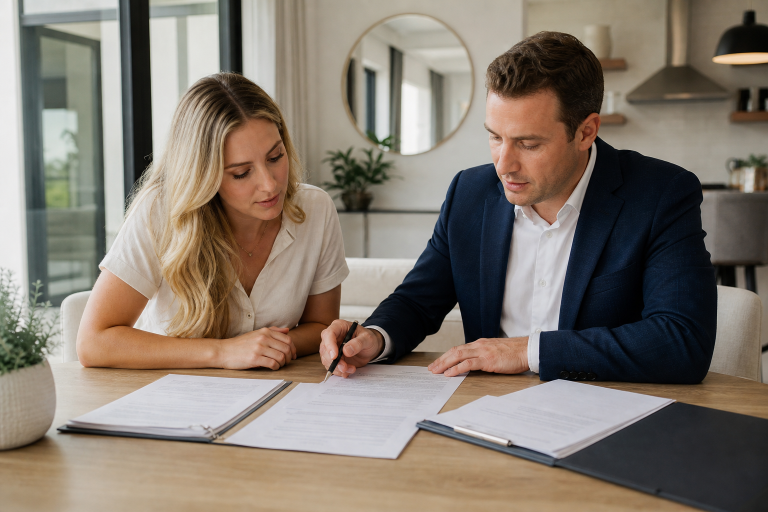
Property Records to Review
Record availability and document names differ by location, but buyers can ask their closing professional which materials have been reviewed and whether any exceptions, missing releases, or open questions remain. Common records include the following:
- Current and prior deeds: These help show how ownership was transferred over time.
- Public ownership and tax records:These can identify the listed owner, parcel information, assessed value, and tax status.
- Recorded liens and judgments:These may include unpaid taxes, contractor claims, court judgments, or other debts attached to the property.
- Easements and restrictions: These can affect access, utility use, building plans, fencing, parking, and other land uses.
- Survey and boundary information: A survey may help clarify lot lines, encroachments, driveways, and visible improvements near boundaries.
- Permits and code records: These may be useful when major additions, decks, finished basements, or renovations are involved.
- Homeowners association documents: Buyers in an HOA should review dues, rules, pending assessments, reserve information, and transfer requirements.
Ownership, Liens, and Claims
The seller’s name, legal property description, and purchase documents must match with public records; discrepancies should prompt inquiries. Key considerations include verifying the seller’s legal authority to transfer property, ensuring the release of all previous mortgages, checking for current property taxes and fees, and identifying any existing liens or claims. Additionally, it’s important to clarify whether the property is involved in estate or probate matters and determine who will address any title or record issues before closing. Given the complexity of ownership issues, consultation with a title professional, settlement agent, or qualified real estate attorney is advised for proper documentation and resolution before proceeding with closing.
Physical, Legal, and Financial Issues Are Different
A home inspection and a title or record review serve different purposes. An inspection focuses on the condition of the home, while a title review focuses on the right to own and transfer it. Buyers should not assume one replaces the other.
- Physical concerns: Roof damage, plumbing leaks, electrical defects, mold, foundation movement, or appliance problems.
- Legal record concerns: Liens, ownership disputes, easements, inaccurate legal descriptions, or missing mortgage releases.
- Financial concerns: Unpaid taxes, HOA balances, special assessments, loan charges, prepaid expenses, and settlement fees.
A house can be in excellent physical condition while carrying a legal or financial issue that needs to be resolved. The reverse is also true. Treat each review as a separate safeguard.
Closing Costs and Service Providers
Final closing costs can differ from early estimates because figures may change as the loan, closing date, insurance, taxes, and service selections become final. Buyers may see loan charges, appraisal and inspection fees, recording fees, title-related charges, escrow or settlement fees, prepaid interest, homeowner’s insurance, and tax reserves.
The Consumer Financial Protection Bureau explains that some closing services may be open for comparison shopping, depending on the loan and lender. Its guide to shopping for title insurance and other closing services can help buyers identify which services are available to compare.
- Compare the total price, not only one line item.
- Ask whether a bundled service changes the total cost.
- Confirm whether the contract assigns a cost to the buyer, seller, or both parties.
- Review the latest disclosure promptly and ask about unexpected changes.
The Final Walk-Through
The final walk-through is a last practical check, usually close to closing. It is not a substitute for a professional inspection. Instead, it helps confirm that the property is in the agreed condition and that contract promises have been met.
- Confirm agreed repairs are complete and supported by receipts when appropriate.
- Make sure the included appliances, fixtures, keys, remotes, and other listed items remain.
- Look for new damage, leaks, or missing items since the inspection.
- Test basic systems that can be checked safely, such as lights, faucets, garage doors, and HVAC controls.
Fraud Warning Signs Before Closing
Closing involves large financial transactions and sensitive personal information, making it a target for payment scams. Be especially cautious if an email announces new wiring instructions, changes account details, or demands immediate action. Verify instructions by calling a known, independently confirmed phone number for your lender, attorney, or settlement agent. Do not use a phone number contained only in a suspicious email.
For a broader document and closing review, the CFPB’s home closing resourcesoutline common tasks, disclosures, and questions buyers should consider before signing.
Questions to Ask Before Signing
- Who reviewed the property records and title information?
- Are there unpaid taxes, liens, judgments, or recorded claims?
- Do the seller’s name and the property description match public records?
- Are there easements, restrictions, HOA obligations, or pending assessments?
- What issues remain unresolved, and who must resolve them?
- Have the final loan and closing documents changed since my last review?
- How can I verify payment instructions safely?
- Which documents should I retain after closing?
A Simple Buyer Checklist
- Review the purchase agreement, contingencies, and deadlines.
- Confirm the seller’s authority to sell the property.
- Ask about liens, taxes, judgments, easements, and restrictions.
- Complete inspections and document agreed-upon repairs.
- Review closing costs and compare eligible services.
- Read final disclosures as soon as they arrive.
- Complete the final walk-through.
- Verify all payment instructions by phone.
- Save the deed, disclosures, insurance documents, inspection report, and closing records.
Final Takeaway
A careful property review does not have to be overwhelming. Start early, keep your questions specific, and slow down when a document, cost, or request does not make sense. By checking records, understanding closing expenses, confirming the property’s condition, and verifying communications, buyers can approach closing with more confidence and fewer surprises.