Key Takeaways
- Alarm systems are most effective when alerts lead to clear, timely action.
- Digital alarm data can reduce delays created by repeated phone calls and manual data entry.
- Verification can add context and help distinguish genuine emergencies from false alarms.
- Video analytics can support operators, but it still requires testing and human judgment.
- Property managers should review contacts, communications, power, training, and emergency procedures at least annually.
When an alarm activates, the system’s value depends on what happens next. Effective monitoring helps relay a signal from a property to trained personnel who can follow the appropriate response plan, notify contacts, and request emergency assistance when appropriate. For property managers, speed matters, but accuracy matters just as much.
A well-prepared alarm program combines dependable equipment, current account information, clear staff instructions, and practical backup plans. Whether the event involves intrusion, fire, a medical emergency, carbon monoxide, water, or a temperature problem, useful information can help the right people act without avoidable delay.
Why Alarm Response Speed Still Matters
The period between detection, verification, and notification can influence occupant safety and the scale of a loss. Consider a water sensor that detects a leak overnight in an otherwise vacant commercial suite. A prompt alert may allow a manager or maintenance vendor to stop the water before it reaches electrical equipment, inventory, or neighboring tenants.
Fast data does not replace judgment. A rushed response based on an incorrect address, an outdated contact list, or an unclear event description can create confusion. The practical goal is to deliver complete, reliable details quickly enough for monitoring professionals, building contacts, and local responders to make sound decisions.
What Happens After An Alarm Activates?
- A sensor detects motion, smoke, heat, glass breakage, a panic signal, or another programmed condition.
- The alarm panel transmits the event through its available communication path.
- A monitoring professional receives and reviews the signal.
- The operator follows the property’s documented response instructions.
- Emergency services, authorized contacts, vendors, or onsite personnel are notified as needed.
- The event, actions taken, and outcome are documented for follow-up.
Every stage depends on accurate site details. Building numbers, suite numbers, gate codes, hazards, authorized contacts, and after-hours instructions should be kept up to date. Exact response procedures vary by alarm type, location, service arrangement, and local public-safety policies.
How Digital Alarm Data Reaches Emergency Dispatch
Traditional alarm notification often requires an operator to call an emergency communications center and relay details verbally. In compatible communities, the standardized electronic exchange of alarm information can send structured event data from a monitoring center into a computer-aided dispatch system. This approach can reduce manual transcription, speed delivery, and provide dispatchers with verified account details.
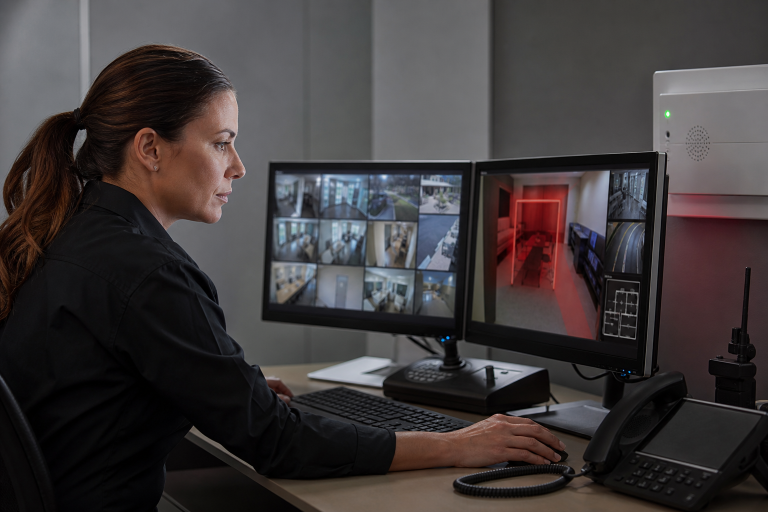
For digital dispatch to work well, the monitoring center, emergency communications center, and dispatch software must be compatible. Accurate addresses, alarm types, callback numbers, and premise notes remain essential. Electronic dispatch is not available everywhere, so managers should understand how their location handles alarm notifications.
Alarm Verification: More Information Before Action
Alarm verification means gathering additional information that may help determine whether an event is likely to be real and what response is appropriate. It can include audio review, live or recorded video, sequential activity from multiple sensors, confirmation from two authorized people, or direct contact with someone at the property.
Verification should support a timely response, not introduce unnecessary delay. A fire alarm, medical signal, or confirmed threat may require immediate escalation. Managers should also ensure their procedures align with local rules, permit requirements, and emergency-dispatch practices.
Where Video Analytics Fits
Video recording preserves footage, while video analytics identifies patterns that may deserve attention. A system might flag a person entering a restricted area, a vehicle moving through a closed loading zone, or activity near a protected door after hours. Properly configured filters can reduce unnecessary alerts from pets, rain, shadows, headlights, or moving trees.
Analytics must be tested under the property’s actual lighting, weather, traffic, and operating conditions. Camera placement, retention periods, access permissions, and privacy expectations all need to be reviewed. Artificial intelligence can help prioritize events, but trained people should remain responsible for interpreting the context.
Different Alerts Need Different Plans
- Fire alarms: Prioritize life safety, evacuation, inspection records, and coordination with the fire department.
- Medical and personal emergency signals: Include the person’s location, approved contacts, and relevant access information.
- Carbon monoxide alerts: Focus on immediate occupant safety and instructions from local authorities.
- Water and temperature alerts:Identify shutoff locations, maintenance contacts, and at-risk equipment.
- Elevator and equipment alarms: List vendor contacts, access steps, and after-hours responsibilities.
A burglary procedure should never be copied directly into a fire or medical response plan. Each event type requires its own escalation path, contact sequence, and safety priorities.
Communication Paths, Backup Power, And Cybersecurity
Internet and cellular connections can provide separate paths for alarm communication. If the primary route fails, a backup path can help prevent a loss of protection. Backup power should also cover alarm panels, modems, routers, cameras, and access-control equipment, not only the main alarm keypad.
Review systems after construction, internet upgrades, electrical work, or carrier changes, since these projects can create silent failures. Connected security equipment also needs strong passwords, limited user access, timely updates, and account controls. Property teams can use essential cybersecurity actions as a practical reference when protecting systems that connect physical security with business networks.
A Practical Readiness Checklist
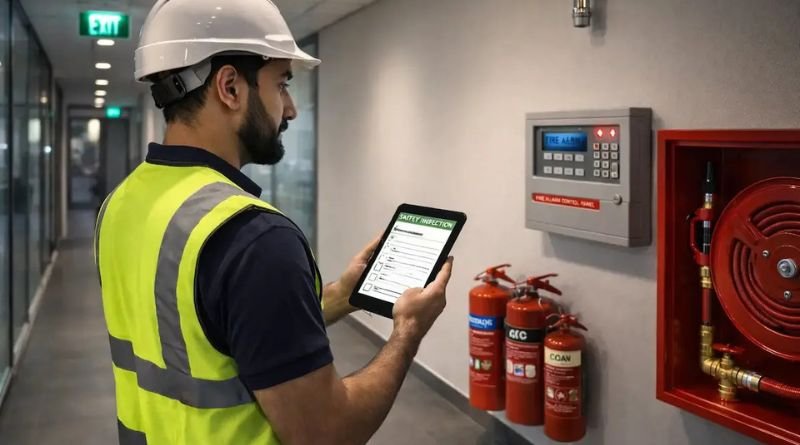
- Confirm the property address, suite number, access instructions, and emergency notes.
- Review call lists and remove former employees or outdated vendors.
- Test approved alarm signals and document results.
- Check batteries, backup communications, and low-power notifications.
- Review camera coverage at doors, gates, loading areas, and other high-risk zones.
- Update evacuation maps, staff instructions, and vendor access procedures.
- Record tests, faults, repairs, false alarms, and real events.
Common Mistakes And Better Measures
Response often slows when a system has an outdated contact list, a general address without a suite number, communication-failure alerts ignored, or cameras aimed at high-activity areas that produce constant irrelevant notifications. Another common problem is relying on a single employee who may not be available during an emergency.
Measure improvement by tracking false alarms by device and location, signal-delivery times, operator handling times, recurring faults, and staff understanding of procedures. Review significant events afterward and update the plan. Faster response should always be measured alongside accuracy, because complete information is more useful than a fast alert sent to the wrong place.
Conclusion
Modern alarm response depends on more than sensors and cameras. It requires clean data, resilient communications, trained professionals, secure, connected systems, and written procedures tailored to each type of event. Property managers who regularly test equipment, update contacts, strengthen backup plans, and review outcomes can build a response process that helps the right people act with confidence when it matters most.