Key Takeaways
- Luxury homebuyers now prioritize features like space, privacy, and home offices more than ever before.
- With demand skyrocketing, sustainability and innovative technology are critical for today’s high-end home buyers.
- Luxury property values remain resilient, showing ongoing demand and shifting priorities from buyers.
- Digital tools and remote work capabilities have transformed the way buyers search and transact for luxury homes.
- Broad economic conditions and local trends affect luxury choices, with new, unexpected hotspots emerging each year.
- Buyers increasingly look for wellness, flexibility, and extraordinary amenities in luxury properties, focusing on overall lifestyle.
Understanding Today’s Luxury Homebuyer
Today’s luxury homebuyers are no longer solely driven by square footage or status symbols. Instead, they seek thoughtfully designed spaces prioritizing wellness, sustainability, privacy, and technology integration. From home gyms to intelligent climate control, luxury has evolved to reflect a lifestyle rather than a price tag. Buyers also want homes that support remote work, outdoor living, and access to nature—features that have become non-negotiables in the modern market.
Understanding these shifts is essential for real estate professionals. For example, Bozeman MT real estate agent Greg Smith notes that many clients prioritize views, energy efficiency, and proximity to trails over traditional luxury finishes. These evolving tastes redefine what qualifies as a “dream home” today.
Space, Wellness, and Work-From-Home Life
The rise of remote work has led buyers to reassess space needs. Luxury now emphasizes well-designed, functional areas that boost productivity and well-being. Buyers seek flexible floor plans with home offices, study nooks, and Zoom-ready meeting rooms, often wanting multiple setups for remote professionals. Requests for soundproofing, built-in desks, and advanced tech in home layouts are common.
Wellness features have shifted from “nice-to-have” to “must-have” in luxury homes. Buyers increasingly desire in-home gyms, yoga studios, massage rooms, cold plunge pools or infrared saunas. Outdoor amenities like meditation gardens, walking trails, and lap pools create a self-care oasis, enhancing health and relaxation while providing a private sanctuary from external stress.
Sustainable and Smart Luxury Real Estate
As climate awareness grows, sustainability is essential for high-end property seekers. Affluent buyers seek innovative climate systems, solar panels, energy-efficient windows, and green roofs. Homes with rigorous sustainability certifications attract buyers, command higher prices, and have lower operating costs. Smart home features—like integrated lighting, automated shades, app-controlled security, and environmental sensors—enhance security and convenience. Homeowners want technology to support their routines seamlessly. Electric-car charging stations, rainwater harvesting systems, and touchless entryways are increasingly desirable for those reducing their carbon footprint.
The Role of Digital Tools and Virtual Experiences
Luxury real estate is now experienced digitally. The process, from browsing to final selection, is primarily online. Virtual tours and high-definition video walkthroughs allow buyers to explore properties worldwide easily. Augmented and virtual reality tools create realistic open houses or design previews, saving time and enabling distant buyers to decide.
Buyers and agents rely on data analytics for real-time price tracking, neighborhood trends, and future value predictions. Successful transactions depend on personalized digital marketing, virtual staging, and AI recommendations, making luxury real estate easier and more efficient than ever.
Adapting to Economic and Market Trends
External factors like interest rates, inflation, and regional shifts impact high-end property purchases. However, luxury real estate tends to withstand downturns better than the overall market as luxury homes are seen as safe investments, with sellers less likely to sell under pressure. High-net-worth buyers usually retain their assets, betting on long-term value. Global events such as tax law changes, travel restrictions, or political instability can influence luxury buyer sentiment and activity. Success in this market generally belongs to those who quickly adapt by changing locations, modifying features to meet buyer expectations, or using advanced marketing strategies. Flexibility and understanding of evolving trends are crucial.
Emerging Locations and Lifestyle Hotspots
The definition of a luxury address is changing. Buyers seek peaceful, picturesque destinations beyond traditional urban areas as remote work becomes mainstream. Suburbs with cultural scenes or natural settings near mountains, lakes, or beaches have surged in popularity, offering privacy, security, and outdoor connections—qualities increasingly valued.
Many affluent buyers now look for second homes or seasonal getaways that can be rented out when unused. Locations with year-round recreational options—like skiing, hiking, golfing, or boating—are gaining attention. Lifestyle amenities, local food scenes, and strong community ties are as essential as proximity to city centers or airports. Flexibility and lifestyle choices dominate discussions, creating new “it” markets annually.
Popular Amenities and Design Must-Haves
Customization defines luxury living today. Buyers seek homes with personal features reflecting their hobbies and values. Smart wine cellars, luxury screening rooms, indoor basketball courts, and chef’s kitchens are in demand. The aim is to create spaces for owners and guests to gather and recharge at home.
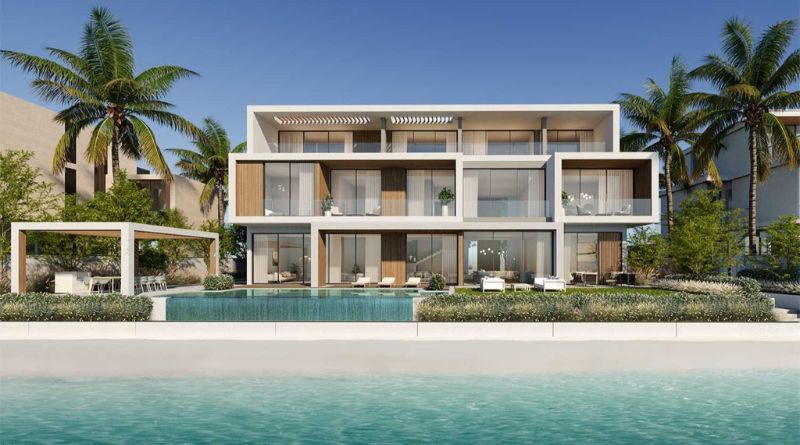
Outdoor living has evolved into its own design movement. Covered patios with fireplaces, resort-like pools, kitchens with pizza ovens, and lush gardens make backyards private retreats. Amenities like golf simulators, pet grooming stations, and spa suites enhance uniqueness, making each day feel special. Today’s buyers desire magic and utility—spaces to entertain and unwind.