Key Takeaways
- Home generators provide a reliable solution to unexpected power outages, ensuring essential services remain operational.
- Different types of generators suit varying household needs, budgets, and technical requirements.
- Proper installation, ongoing maintenance, and safe operation are critical for dependable and safe power backup.
- Adopting backup power solutions is increasingly relevant in the face of climate change and rising outage events.
Introduction: Why Backup Power Matters
Nearly every modern convenience—from lighting and HVAC systems to smart home technologies and internet routers—relies on a dependable supply of electricity. When the lights go out, the impact is immediate: food can spoil, basic communication halts, and vital home medical equipment may stop functioning. Home generators have quickly become indispensable for families wanting to protect their comfort and safety during power outages. For residents seeking an electrical contractor in Garfield Heights, Ohio, local professionals can help guide the selection and installation process, ensuring the right system for each unique home.
Recent technological advances and increased awareness about preparedness have fueled demand for home generators, making them more accessible and reliable than ever before. Extreme weather, equipment failures, and even planned grid maintenance can leave neighborhoods without electricity, sometimes for days. That’s why many homeowners consider generators a cornerstone of their household resilience plan.
It’s not just major storms that can cause outages—aging infrastructure and increasing energy demands sometimes trigger rolling blackouts in even the most developed regions. The unpredictability of such events underscores the importance of preparing for disruptions, whether your primary concern is preserving food, maintaining climate control, or keeping security systems operational.
As home environments become more sophisticated and energy-dependent, the conversation around emergency preparedness increasingly includes not only generators but also integrating backup solutions with advanced systems such as smart thermostats and whole-house surge protection.
Understanding Home Generators
Home generators are designed to deliver power when the primary grid supply is interrupted. They come in several main types, each offering different advantages and use-cases:

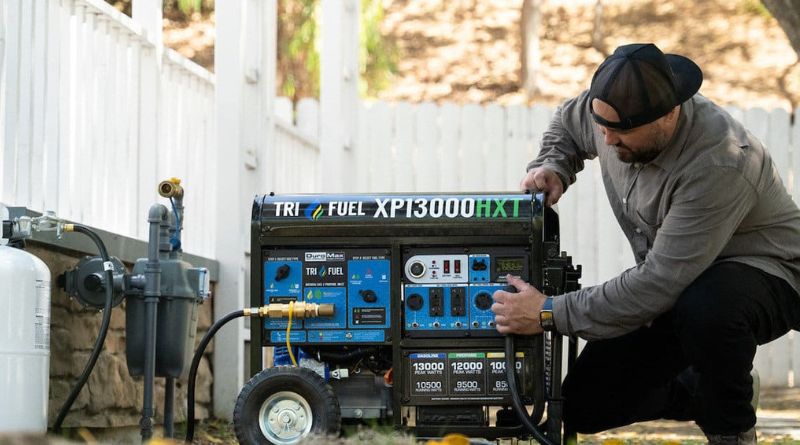
- Portable Generators: Ideal for temporary use, these mobile units typically run on gasoline. They can power selected appliances, making them perfect for short-term outagesand outdoor activities.
- Standby Generators: Permanently installed, these systems connect directly to your home’s electrical panel and automatically activate in the event of an outage. They usually run on propane or natural gas and can supply power to an entire household, including HVAC systems and major appliances.
- Inverter Generators: Known for their quieter and more fuel-efficient operation, inverter generators produce cleaner energy, making them suitable for use with sensitive electronics such as computers and smart home devices.
The Rising Need for Backup Power
Weather-driven outages have been on the rise across the United States, with events such as hurricanes, wildfires, and winter storms frequently disrupting local grids. According to a 2021 New York Times report, millions of Americans have faced prolonged power outages due to extreme weather events, while energy experts caution that these events will only become more frequent as climate patterns shift.
Demand for home generators is also high in regions susceptible to wildfires, such as California, and in areas where winter ice storms or flooding routinely threaten infrastructure. In addition to backup power solutions, services such as ceiling fan installation can improve energy efficiency and airflow in homes, thereby helping to reduce overall electrical demand. In less than a decade, severe weather events have caused three times as many power outages, highlighting the critical role of reliable backup power in modern life. Generators provide not just convenience but also serve as a lifeline for safety and well-being during emergencies.
Benefits of Home Generators
- Uninterruptible Power Supply: Essential appliances and home systems—such as refrigerators, sump pumps, medical equipment, and communication tools—remain operational during a grid failure.
- Enhanced Property Value: Homes equipped with standby generators are highly attractive to buyers, often selling faster and at higher prices due to the added security and convenience they provide.
- Peace of Mind: Knowing your home can maintain normal function during an outage provides significant reassurance for families, travelers, and those who work from home.
Maintaining electrical independence not only boosts comfort and safety but may also reduce insurance premiums and align with broader smart home investments, as noted by Consumer Reports.
Safety Considerations
While generators deliver critical support, improper use can introduce safety hazards. It’s vital to follow safety practices to minimize risks, such as carbon monoxide poisoning, fire, or electrical shock. Portable generators, in particular, should never be run indoors or in garages, and always must be located at least 20 feet from windows and doors. Installing battery-operated carbon monoxide detectors and ensuring proper ventilation are key steps for a safe installation.
The Federal Emergency Management Agency (FEMA) offers comprehensive safety advice, including never connecting generators directly to household wiring without a transfer switch and keeping generators dry to prevent electric shock. Adhering to these guidelines ensures your backup power solution brings security, not risk.
Choosing the Right Generator for Your Home
Picking the ideal generator starts with a thorough assessment of your household’s specific needs:
- Power Requirements: Create a list of essential circuits and appliances to calculate the total wattage required during an outage. Online calculators or consultation with a licensed electrical contractor may help clarify your true needs.
- Fuel Type: Consider the cost, storage, and long-term availability of fuel options, including gasoline, propane, and natural gas. Each has its pros and cons in terms of shelf life, cost, and convenience.
- Budget: Portable models are the most affordable and simplest to set up, while whole-home standby generators represent a larger investment but offer the highest level of convenience and protection.
Installation and Maintenance
Installing a generator is more than a DIY project—particularly for standby units. Professional installation by a licensed electrician ensures code compliance, safety, and the reliable integration of transfer switches. Routine testing should be scheduled at least monthly, and annual maintenance—including oil changes and fuel inspections—will keep your generator in prime condition, ready for emergencies.
Trusted professionals also offer advice on integrating generators with existing home systems and can assist in routine tasks, such as fuel replenishment and system diagnostics. Following the manufacturer’s maintenance guide is crucial for maintaining longevity and optimal performance, ensuring your investment pays off for years to come.
Final Thoughts
The increase in severe weather, grid vulnerabilities, and our ever-growing reliance on electricity make home generators a vital component of modern living. By understanding your household’s backup power needs, selecting the right type, and ensuring proper installation and maintenance, you can safeguard your comfort and security, regardless of the forecast.