It’s easy to overlook a slow drip from a pipe. Maybe it’s behind a wall, beneath a cabinet, or running just slow enough not to cause an obvious puddle. But over time, even the smallest water leaks can lead to costly and hazardous mold infestations. And by the time you notice a musty odor or dark staining on your drywall, the damage may already be extensive.
The relationship between plumbing issues and mold is more serious than most homeowners realize. Plumbing failures are often the silent culprits behind indoor mold outbreaks, and understanding this connection is essential for prevention. For residents in vulnerable areas, the best approach involves staying vigilant, scheduling inspections, and knowing who to call when things go wrong. That’s where professionals offering comprehensive mold removal services in San Diego become your most valuable resource.
When Pipes Turn Against You
Even the most durable piping systems aren’t immune to corrosion, movement, pressure damage, or environmental stress. Over time, joints may loosen, fittings may weaken, and wear and tear can create hairline cracks. The result? Moisture starts to seep into areas never designed to handle it—like your walls, floors, and ceilings.
Water, when left unchecked, creates a humid environment perfect for mold spores to thrive. You don’t need a flood or burst pipe to have a mold problem—just enough moisture over time. It’s slow, quiet, and almost always invisible in the beginning. Often, by the time you start noticing symptoms—like allergy flare-ups, persistent coughs, or that distinct, earthy smell—the mold has already embedded itself deep into building materials.
If you’ve ever been faced with mold remediation, you know how expensive and invasive it can be. Prevention through proper plumbing maintenance isn’t just smart—it’s significantly more cost-effective than dealing with mold damage after the fact.
Repair Solutions That Work
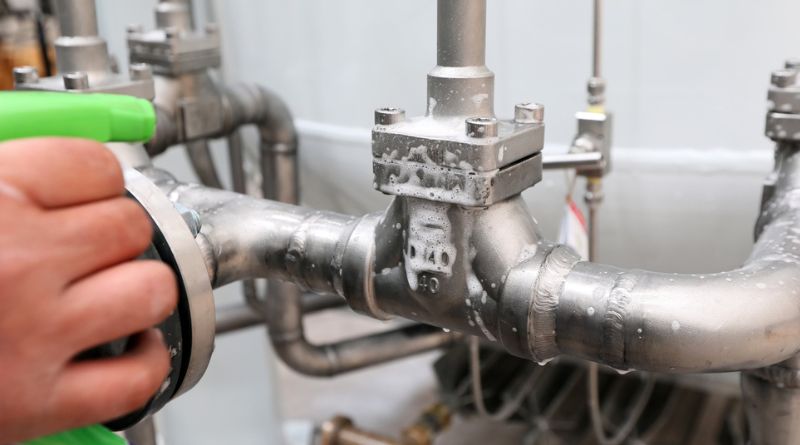
One of the smartest ways to stay ahead of this issue is by having reliable repair materials on hand and knowing how to use them, or having professionals who do. That’s where quality pipe repair solutions come into play. Whether it’s a temporary fix or a long-term reinforcement, the right clamps and couplings can make all the difference between a dry home and a mold-ridden one.
Professionals often rely on high-grade pipe repair clamps and couplings to seal leaks quickly and effectively. These tools can fit a wide range of pipe sizes and materials, offering flexibility and strength in emergency or planned repairs. They create a tight, waterproof seal that prevents further seepage and protects the surrounding structure from prolonged exposure to moisture.
If you’re looking to stock up or want to see what the industry uses, you can find a range of reliable products at www.store.blairsupplyusa.com, a site that specializes in pipe repair materials and solutions.
The True Cost of Delay
Waiting to address a leak is one of the riskiest decisions you can make as a homeowner. Even if the water seems minimal, its long-term effects can be devastating. Mold remediation often requires the removal of drywall, flooring, and even framing if the infestation is severe. It disrupts your home, your health, and your finances.
Medical costs can also come into play. Mold exposure is known to aggravate asthma, allergies, and other respiratory conditions. Children, the elderly, and anyone with a compromised immune system are particularly at risk. While not all mold types are toxic, many can still impact indoor air quality in ways that lead to chronic discomfort.
Simply put, that “small” leak might cost you thousands in damage repair and medical bills. The good news? It’s avoidable.
What You Can Do Today
Preventing mold doesn’t require a complete overhaul of your plumbing system. It just takes some smart, consistent steps:
- Regularly inspect visible pipes under sinks, in basements, or near appliances.
- Watch for spikes in your water bill, which could indicate hidden leaks.
- Schedule annual plumbing inspections, especially in older homes.
- Learn how to shut off your water supply in an emergency.
- Invest in a few essential repair tools—or know who to call when problems arise.
Perhaps most importantly, don’t ignore signs of water damage. Even minor discoloration on walls or ceilings could be an early warning sign of something more serious.
Protecting your home from mold requires a proactive approach to plumbing maintenance. While it may not be the most appealing subject, understanding how a single leak can escalate into a significant health risk makes it impossible to overlook.
You can prevent a minor drip from turning into an expensive catastrophe by combining early detection with effective repair solutions and seeking professional help when necessary. If the worst has already occurred, experts are available to help restore your home and peace of mind.
MAY YOU ALSO LIKE :Top Tips for Stress-Free Home Buying