Key Takeaways
- Preventive routines and smart habits minimize the risk of drain clogs.
- Natural methods like baking soda and vinegar are often safer alternatives to harsh chemicals.
- DIY tools are useful, but recognizing when to seek professional help can prevent greater problems down the road.
Maintaining free-flowing drains is vital for a stress-free household. Clogged drains can lead to costly repairs, unpleasant odors, potential water damage, and general inconvenience. Fortunately, by adopting proactive habits and recognizing early signs of trouble, you can significantly reduce the risk of plumbing issues. For those in Maryland, professional sewer and drain cleaning in Gaithersburg is available to quickly and efficiently address persistent or severe blockages.
Many clogs develop slowly over time, making prevention especially important. By understanding what causes clogs and how to clear them naturally and safely, you’ll keep your pipes in excellent shape. It’s equally important to know when to call a plumber, as some issues are too severe for a DIY approach.
Common Causes of Drain Clogs
Understanding why clogs occur is key to preventing them. The most frequent offenders in household plumbing include:
- Grease and oil: Cooking grease poured down the drain hardens as it cools, forming stubborn blockages.
- Hair: Bathroom sink and shower drains often trap hair, which binds with soap and forms tangles that slow or stop water flow.
- Food particles: Leftovers, especially starchy or fibrous foods, can collect in pipes, particularly if there’s no garbage disposal.
- Soap scum: Soap residue accumulates over time, reducing water flow and fostering buildup.
Other causes can include mineral buildup from hard water or intrusive tree roots in outdoor draining systems, especially in older homes.
Preventive Measures
Adopting good habits can drastically decrease the frequency of clogged drains:
- Install drain strainers: Place mesh screens in sinks and showers to catch hair, food scraps, and other debris before they reach the pipes.
- Dispose of grease responsibly: Pour used grease into a can or jar, let it cool and solidify, then throw it in the trash instead of down the sink.
- Flush drains with hot water: Once a week, let hot (but not boiling) water run down your drains to help dissolve greasy buildup.
- Be mindful of what you flush: Only flush waste and toilet paper. Baby wipes, feminine products, and paper towels should always go in the trash even those labeled as “flushable.”
Prevention is consistently easier and less expensive than repair.
Natural Methods for Clearing Clogs
When minor blockages occur, try these eco-friendly solutions first:
- Baking soda and vinegar: Pour half a cup of baking soda down the drain, followed by half a cup of vinegar. Allow the mixture to fizz and break down organic debris for 15-30 minutes. Rinse with hot water.
- Boiling water: If the clog is grease- or soap-based, pouring boiling water (only on metal pipes) may dissolve it. Do not use boiling water on old or PVC pipes, as it may cause them to warp.
These techniques are gentle on pipes and safer for the environment than most chemical cleaners.
When to Use Chemical Cleaners
Chemical drain cleaners are widely available, but because of their corrosive nature, they should be used as a last resort. These solutions can damage pipes, especially if used repeatedly, and many are harmful for septic systems and the environment. When opting for a chemical approach, follow the manufacturer’s safety guidelines and use the product sparingly. If natural methods don’t work after several attempts, it may be time to seek professional help or consider using an enzyme-based alternative.
Tools for DIY Drain Maintenance
A few basic plumbing tools will help you tackle most minor clogs without calling a professional:
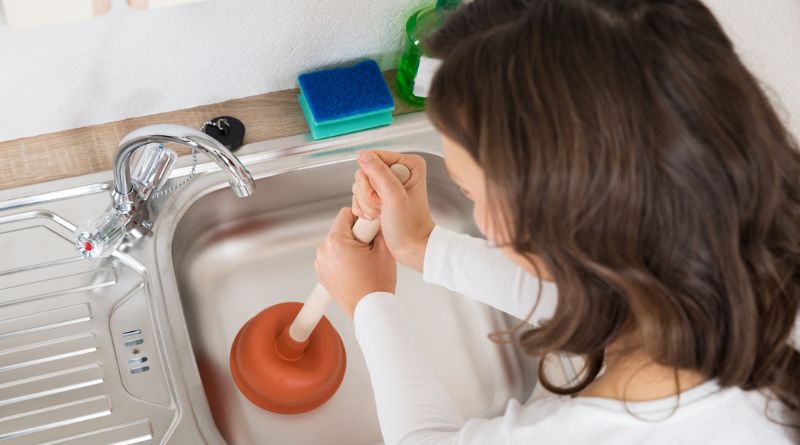
- Plunger: Effective for clearing blockages in sinks, tubs, and toilets by creating pressure to dislodge debris.
- Drain snake (auger): A flexible metal cable that reaches deep into pipes, physically breaking up or retrieving stubborn clogs.
- Enzyme-based cleaners: These biological solutions use bacteria to digest organic material, keeping pipes clear without causing damage.
Having these items in your home can save time, money, and hassle when minor plumbing problems arise.
Signs You Need Professional Help
Some drainage issues require a plumber’s expertise. Don’t hesitate to call a professional if you notice:
- Persistent clogs: Recurring or unresponsive clogs after several DIY attempts could mean a deeper issue in your plumbing system.
- Multiple affected drains: More than one slow or clogged drain at the same time can signal a blockage in your main sewer line, which could lead to sewage backups.
- Unexplained foul odors: Persistent bad smells may indicate a serious clog or broken pipe.
Addressing these signs early can prevent water damage and avoid costly repairs down the line.
Maintaining Clear Drains Long-Term
Proactive maintenance and education will keep your plumbing in top condition:
- Schedule annual inspections: A professional plumber can detect early warning signs and keep your system running smoothly.
- Educate your household: Teach everyone in your home what can and cannot go down the drain, especially children.
- Monitor water flow: Act quickly when you notice slow drainage to prevent a small problem from becoming a major one.
Consistency is key to keeping your home’s plumbing healthy and efficient. With a little care, you’ll avoid most common drain issues and ensure your system runs smoothly for years to come.
Conclusion
Keeping your drains clear doesn’t have to be complicated just consistent. By embracing simple preventive habits, using natural methods for minor clogs, and having basic tools on hand, you can avoid most plumbing headaches before they start. Still, it’s important to recognize when a problem is beyond the scope of DIY solutions. Calling a professional at the first sign of recurring or severe blockages can prevent costly repairs and protect your home from potential water damage. With proactive care, timely intervention, and a good understanding of what causes clogs, you’ll maintain smooth-flowing drains and enjoy a cleaner, more efficient home for the long run.