Key Takeaways
- Gas-powered vehicles remain a straightforward choice for quick refueling and frequent long-distance travel.
- Traditional hybrids improve fuel economy without requiring charging equipment.
- Plug-in hybrids provide short-distance electric driving with gasoline support for longer trips.
- Electric vehicles can lower daily energy and maintenance needs when reliable charging is available.
- The best powertrain depends on how, where, and how far you actually drive.
Choosing between a gas-powered car, hybrid, plug-in hybrid, or electric vehicle is less about following a trend and more about matching the vehicle to everyday life. Your commute, parking situation, travel habits, budget, passenger needs, and access to charging can all affect which option makes practical sense. To explore available vehicle options and compare features in person, learn more about the models that may suit your needs.
A lower purchase price does not always mean a lower cost of ownership, and the most advanced powertrain is not automatically the best fit. A driver who travels hundreds of highway miles every week may have different priorities from someone who drives 25 miles a day and parks in a private garage overnight.
Why Powertrain Choice Matters More
Drivers now have more choices across sedans, SUVs, crossovers, trucks, and family-focused vehicles. Rather than starting with online rankings or a single advertised payment, begin with your own routine. Consider weekly mileage, traffic, road trips, cargo, weather, and whether your vehicle is parked in a garage, driveway, apartment lot, or on the street. That practical review will narrow the field faster than comparing specifications alone.
Gas-Powered Cars: A Simple Fit For Many Drivers
Gas vehicles work well for people who want familiar refueling, broad model availability, and flexibility on long trips. They can be especially useful for drivers without a dependable place to charge at home or work. Many gas-powered models also have lower starting prices than electrified alternatives. The trade-off is that gasoline costs, oil changes, engine service, and exhaust-related repairs can add up over time.
Traditional Hybrids: Better Efficiency Without Plugging In
A traditional hybrid uses a gasoline engine and an electric motor, with regenerative braking helping recharge the battery while driving. There is no need to connect it to an outlet. This setup is often effective in stop-and-go traffic, where the electric system can reduce gasoline use. It preserves the familiar experience of filling up at a gas station, although it still has an engine and many of the maintenance needs associated with conventional vehicles.
Plug-In Hybrids: A Middle Option With More Flexibility
Plug-in hybrids can cover shorter drives on battery power before using their gasoline engines to extend range. They can make sense for commuters who can charge regularly but still want an easy backup for weekend travel. However, a plug-in hybrid delivers its greatest fuel-saving potential only when it is plugged in often. Added battery capacity may also increase the purchase price and sometimes reduce cargo space compared with a similar gas or traditional hybrid model.
Electric Vehicles: When Home Charging Changes The Equation
Electric vehicles offer quiet operation, smooth acceleration, and no tailpipe emissions. They also have fewer engine-related service items than gas vehicles. Reliable charging is the central consideration. The Department of Energy advises shoppers to assess their daily driving and charging options, along with expected range and longer-trip routes, before deciding whether an EV fits their lifestyle. Speed, cold weather, hills, passengers, cargo, and towing can affect real-world range.
Compare Daily Driving Patterns Before Comparing Models
- Estimate your average weekday and weekly mileage.
- Note how often you take highway trips of several hundred miles.
- Identify where the vehicle is parked overnight.
- Check for home, apartment, or workplace charging access.
- Consider regular passengers, car seats, pets, tools, or sports equipment.
- Factor in steep terrain, extreme temperatures, and towing needs.
Charging Access Can Decide The Answer
Level 1 charging uses a standard household outlet and may be adequate for some plug-in hybrid owners or light daily driving. Level 2 equipment typically charges faster and may require a dedicated circuit, permits, and installation by a qualified electrician. Apartment residents should ask about assigned parking, billing, charging rules, and whether equipment can be installed. Public charging can help, but its cost, availability, connector compatibility, and reliability should be assessed before relying on it daily.
Compare Total Ownership Costs, Not Just Monthly Payments
A realistic comparison includes the purchase price or lease payment, insurance, registration, taxes, fuel or electricity, maintenance, repairs, home charger installation, and expected resale value. Incentives and utility programs can affect costs, but eligibility may vary. Also, compare the cost of keeping any vehicle in good condition. Keeping tires properly inflated and addressing engine issues promptly can support efficiency and help prevent avoidable expenses.
Maintenance Differences To Keep In Mind
- Gas vehicles commonly need oil changes, engine filters, spark plugs, and exhaust system maintenance.
- Traditional hybrids still need engine maintenance, though regenerative braking can reduce brake wear.
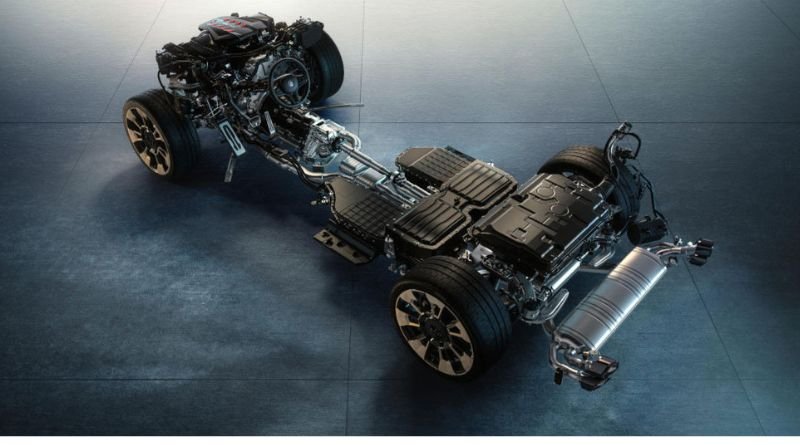
- Plug-in hybrids combine gasoline-engine maintenance with charging equipment and larger battery systems.
- EVs still require tire care, brake inspections, cabin filter replacements, suspension service, fluid levels, and routine inspections.
- Review battery warranty terms, mileage limits, and coverage exclusions before buying.
Match Each Powertrain To A Common Driver Profile
- Apartment resident without reliable charging: Gas or traditional hybrid.
- Daily commuter with dependable home charging: EV or plug-in hybrid.
- Frequent road-trip driver: Gas, hybrid, or plug-in hybrid.
- City driver focused on using less fuel: Traditional hybrid or EV.
- Driver seeking a gradual transition:Plug-in hybrid.
- Driver who tows or hauls regularly:Compare manufacturer-rated capacity, route length, and available charging or refueling stops.
Questions To Ask During A Test Drive
- Is the seating position comfortable after at least 20 minutes?
- Does the rear seat provide enough room for regular passengers?
- Will the cargo area handle your usual groceries, luggage, equipment, or gear?
- Are the controls easy to use without taking attention from the road?
- For electrified models, is charging simple to start and monitor?
- Does the ride feel composed on rough pavement, hills, and highway lanes?
Common Questions About Powertrain Choices
Is a hybrid better than an EV?
Neither is automatically better. A hybrid may be easier without access to charging, while an EV can be an excellent match for predictable routes and convenient overnight charging.
Is a plug-in hybrid worth the added cost?
It can be, but frequent charging is important. Drivers who rarely plug in may not receive enough electric-driving benefit to justify the extra cost.
Can an EV work without home charging?
Yes, but a dependable workplace or public charging should be nearby and fit your schedule. Check costs and station availability before committing.
A Simple Decision Checklist
- Set a purchase or lease budget that includes operating costs.
- Calculate average mileage and identify longer trips.
- Confirm overnight and workplace charging access.
- Compare insurance, maintenance, warranty, and cargo needs.
- Test-drive at least two different powertrain types.
Conclusion
The right powertrain is the one that fits your real routine. Gas vehicles offer familiar flexibility; hybrids improve efficiency without charging; plug-in hybrids combine electric commuting with gasoline backup; and EVs can be especially compelling when charging is convenient. By looking closely at daily mileage, parking, travel, budget, and cargo needs, you can make a more confident choice.