
Key Takeaways
- The lowest sticker price is not always the lowest long-term ownership cost.
- New, used, certified pre-owned, hybrid, plug-in hybrid, and electric vehicles each fit different needs.
- Compare insurance, fuel or charging, maintenance, repairs, financing, and resale value before deciding.
- A vehicle should support your daily routine without putting strain on your budget.
Choosing the right vehicle starts with an honest look at how you drive, what you can comfortably spend, and how long you expect to keep the vehicle. Whether you need a family crossover, a commuter car, a work-ready truck, or an efficient EV, local inventory and ownership considerations can help narrow the field. Learn more about available vehicle options before focusing on a single model or payment offer.
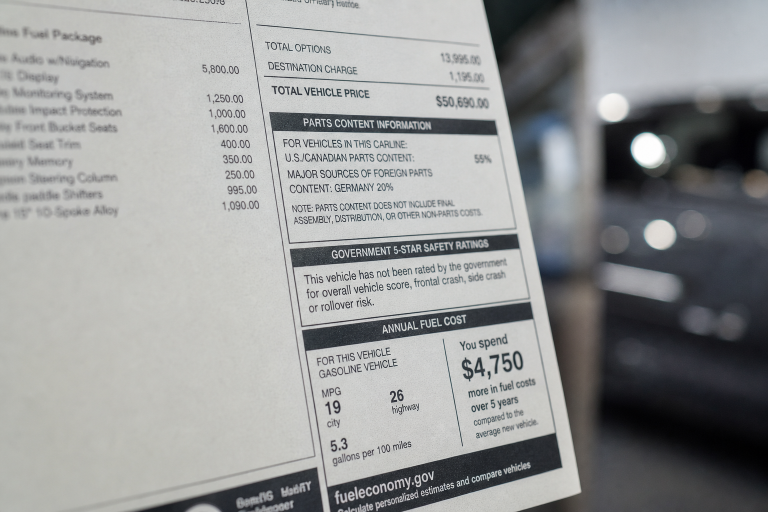
A smart purchase is about more than the number shown on a window sticker. A lower monthly payment can hide a longer loan, higher interest costs, expensive insurance, heavy fuel use, or repair needs that make the vehicle harder to afford over time.
Why The Right Vehicle Depends On More Than Price
Consider the full ownership timeline, not just the purchase day. Your real cost includes the purchase price, taxes and registration, down payment, financing interest, insurance, fuel or charging, routine service, repairs, tires, and eventual resale or trade-in value. A higher-priced vehicle may still be the better value when it meets your needs reliably for many years.
Step One: Set A Realistic Vehicle Budget
- Decide how much cash you can use for a down payment without draining emergency savings.
- Set a monthly payment that leaves room for housing, food, savings, and other priorities.
- Estimate your annual mileage and likely fuel or charging use.
- Request insurance quotes for the specific vehicles and trims you are considering.
- Reserve money for registration, tires, maintenance, and unexpected repairs.
For example, one vehicle may have a $425 payment while another costs $475 per month. If the less expensive payment comes with higher fuel costs, insurance, and repair risk, it may cost more overall. Compare the complete monthly ownership picture before choosing.
New Vehicles: When A Higher Upfront Cost Makes Sense
New vehicles offer a known history, full factory warranty coverage, the latest safety technology, and more choices in trim, color, and equipment. They can be especially appealing for high-mileage commuters, families seeking current driver-assistance features, and buyers planning to keep one vehicle for a long time.
The trade-off is a higher purchase price and usually steeper depreciation in the first years. Insurance can also be higher, and dealer add-ons or long loan terms can raise the final cost. Review every item in the purchase agreement rather than evaluating the deal by payment alone.
Used Vehicles: Where Value And Risk Meet
Used vehicles can provide lower prices and slower depreciation, but condition matters more than age alone. Review service records, vehicle-history information, title status, accident or flood damage, remaining warranty coverage, tire and brake condition, and the number of prior owners. Before buying, make sure to check for open recalls through the vehicle recall lookup using the VIN.
Used-Vehicle Inspection Checklist
- Inspect body panels, paint, glass, lights, tires, and signs of leaks.
- Check that warning lights illuminate at startup and turn off as expected.
- Test brakes, steering, acceleration, suspension, climate controls, and electronics.
- Drive on local streets and faster roads while listening for noises or vibrations.
- Arrange an independent pre-purchase inspection before signing paperwork.
A professional inspection can uncover fluid leaks, worn suspension components, prior repairs, battery concerns, or developing mechanical issues that are easy to miss during a short test drive.
Certified Pre-Owned Vehicles: A Middle Ground
Certified pre-owned vehicles are typically used models that meet a manufacturer or dealer program’s age, mileage, and inspection requirements. They may include limited warranty coverage, roadside assistance, or other benefits. Certification can add meaningful value, but programs differ widely. Read the warranty terms, deductibles, exclusions, and inspection details instead of assuming every certified vehicle offers the same protection.
Gas, Hybrid, Plug-In Hybrid, Or Electric?
Powertrain choice should reflect your lifestyle, not a technology trend. The best option depends on daily mileage, charging access, road-trip habits, local service availability, and budget.
Gas-Powered Vehicles
Gas vehicles remain practical for frequent long-distance travel, quick refueling, and broad access to repair shops. They also require oil changes and other engine-related services over time.
Hybrid And Plug-In Hybrid Vehicles
Hybrids can reduce fuel use in city and mixed driving without requiring regular charging. Plug-in hybrids add short electric-only trips while retaining gasoline flexibility for longer travel. Buyers should still review battery coverage, service history, insurance costs, and realistic fuel economy.
Electric Vehicles
Electric vehicles can reduce routine maintenance because they do not need oil changes and use fewer traditional engine components. They are often strongest for drivers with dependable home or workplace charging. Before buying, study battery warranty coverage, battery health on used models, real-world range, cold-weather performance, charging speed, tire costs, insurance, and public charging access. Comparing price, range, battery health, and ownership costs can help separate an appealing EV deal from a practical long-term choice.
How To Compare Total Cost Of Ownership
Total Ownership Cost = Purchase Costs + Financing + Insurance + Fuel Or Charging + Maintenance + Repairs − Resale Value
Compare at least three vehicles over the same period, such as five years. Include best-case and higher-cost scenarios, along with predictable wear items such as tires, brakes, filters, and batteries. Fuel and charging savings vary based on mileage, energy prices, driving conditions, and access to home charging.
Financing Choices That Change The Final Cost
- Compare offers from banks, credit unions, and other lenders.
- Review the annual percentage rate and total amount paid, not only the payment.
- Be cautious with very long loan terms that increase total interest.
- Ask whether optional warranties, protection products, or other add-ons are included.
- Confirm whether early payoff penalties apply.
A longer loan can make a payment look manageable while increasing interest and extending the period when the vehicle may be worth less than the remaining loan balance.
A Simple Test-Drive And Decision Checklist
- Check seating comfort, visibility, cargo space, and child-seat or work-equipment fit.
- Test phone connectivity, cameras, climate controls, safety features, and charging equipment if applicable.
- Ask about service records, keys, remotes, charging cables, warranty terms, and unusual noises or warning lights.
- Confirm that the vehicle suits your expected mileage, travel habits, and ownership plans.
- Consider whether the budget still works if insurance, fuel, charging, or repair costs rise.
Conclusion
The right vehicle is not necessarily the newest, cheapest, or most powerful option. It is the one that fits your routine, budget, driving habits, and long-term plans. By comparing total costs, verifying conditions, studying financing terms, and choosing a powertrain that works for real life, you can make a purchase that remains practical long after the first payment.