Key Takeaways
- Brake wear can develop gradually, so small changes deserve attention.
- Squealing, grinding, pulling, vibration, warning lights, and a soft pedal can signal trouble.
- Driving conditions, vehicle load, terrain, and braking habits all affect brake life.
- Basic visual and driving checks are useful, but they do not replace a professional inspection.
- Your owner’s manual remains the best guide for vehicle-specific maintenance intervals.
Brakes are one of the most important safety systems on any vehicle. They help drivers handle everyday stops at intersections, school zones, parking lots, and highway exits, as well as unexpected traffic slowdowns. For practical vehicle maintenance guidance and service information, learn more about keeping essential systems in good working order.
Brake problems do not always begin with a dramatic failure. A vehicle may still stop normally even as pads, rotors, fluid, or hardware begin to wear. Paying attention to small warning signs can help drivers address concerns before they become more expensive repairs or affect stopping performance.
Why Brake Care Matters Every Day
Braking performance affects much more than routine maintenance costs. Reliable brakes help a driver stop smoothly, maintain control during sudden traffic changes, and respond appropriately when pedestrians, animals, or other vehicles enter the roadway. Ignoring early symptoms can allow a minor issue, such as worn pads or sticking hardware, to create damage to other components.
How Vehicle Brakes Work
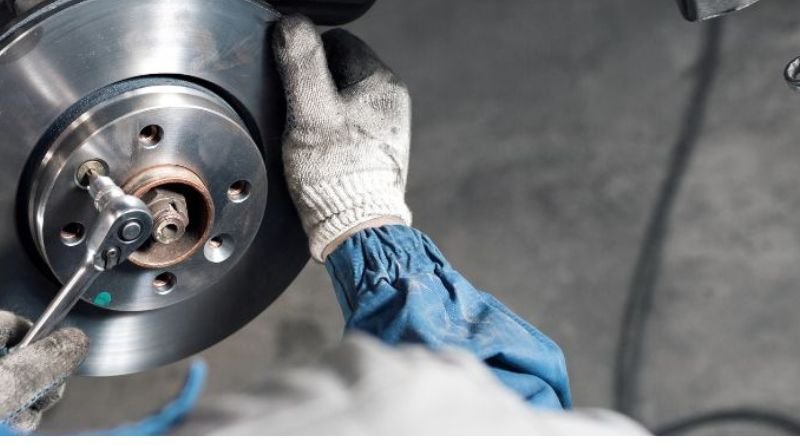
Most modern vehicles use hydraulic brakes. When the driver presses the pedal, brake fluid transfers pressure through lines and hoses to the wheel-end components. Brake pads are pressed against rotors, or brake shoes against drums, creating friction that slows the vehicle.
- Brake pads and shoes provide the friction needed to reduce speed.
- Rotors and drums absorb and release heat created during braking.
- Calipers and wheel cylinders apply braking force at the wheels.
- Brake fluid, lines, and hoses carry hydraulic pressure through the system.
- Antilock braking and electronic controls can help preserve steering control during hard braking.
System designs vary by model and trim level, so drivers should use the owner’s manual rather than assuming every vehicle has the same components or service requirements.
Warning Signs Drivers Should Not Ignore
- Squealing or chirping: This can result from pad wear, moisture, debris, or surface conditions.
- Grinding: Grinding may indicate that the friction material is severely worn and needs prompt inspection.
- Vibration while braking: A shaking pedal or steering wheel may indicate uneven rotor surfaces or another wheel-related concern.
- Pulling to one side: Uneven braking, tire issues, alignment concerns, or a sticking caliper may contribute.
- A soft or sinking pedal: This may indicate a hydraulic issue, air in the system, low fluid, or a leak.
- Longer stopping distances: A sudden change in stopping response should be addressed quickly.
- Brake warning lights: Consult the owner’s manual and schedule an inspection to identify the cause.
If the brake pedal drops to the floor, braking ability declines sharply, or fluid is visibly leaking, do not continue driving the vehicle until it has been inspected.
How Driving Habits Affect Brake Wear
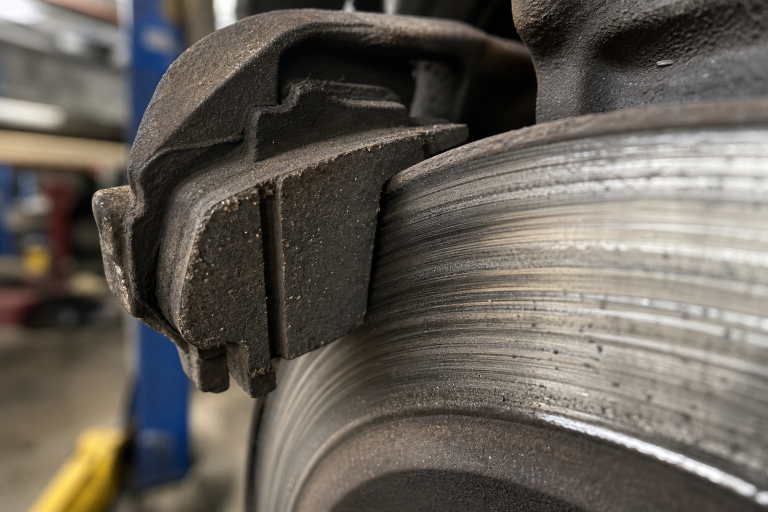
There is no universal mileage point for brake replacement. Stop-and-go traffic, short trips, steep hills, heavy cargo, towing, and frequent hard stops can all increase wear. Regular highway driving may involve fewer brake applications, but it also requires a greater following distance because higher speeds increase the stopping distance.
A calmer driving style can reduce unnecessary stress on the brakes. Look farther down the road, leave room behind the vehicle ahead, ease off the accelerator early, and brake progressively instead of waiting until the last moment.
Simple Brake Checks to Perform Safely
- Park on level ground and allow recently used brakes to cool.
- Check the dashboard for brake or ABS warning lights before driving.
- Look through wheel openings for unusually thin pad material, deep grooves, or excessive corrosion.
- Notice whether normal low-speed stops feel smooth, quiet, and consistent.
- Watch for fluid spots near the wheels or beneath the vehicle.
- Write down new sounds, vibrations, pulling, or pedal changes.
These checks are observational, not repair instructions. Never work underneath a vehicle supported only by a jack, and do not delay professional service when a serious symptom appears.
What Happens During a Brake Service Visit
A thorough brake visit commonly begins with a discussion of the driver’s concerns. A technician may inspect pad thickness, rotor or drum condition, calipers, hardware, hoses, lines, brake fluid, tire condition, and related wheel-area parts. Measurements help determine whether components remain within manufacturer specifications.
Replacing only the visibly worn item is not always the complete answer. Uneven pad wear, for example, can point to seized hardware, a sticking caliper, or another underlying concern that should also be addressed.
Brake Care for Changing Road Conditions
Summer Heat
Heavy traffic, full passenger loads, long downhill grades, and repeated braking can build heat. Existing brake concerns may become more noticeable under these demanding conditions.
Winter Weather and Road Trips
Salt, moisture, slush, and reduced tire grip can make smooth braking more difficult. Good brakes cannot overcome unsafe speed or poor traction. Before a long trip, review tires, lights, fluid levels, wipers, and brake symptoms as part of a broader set of pre-trip vehicle safety checks.
How to Build a Practical Maintenance Plan
- Every drive: Notice pedal feel, brake noise, and stopping response.
- Each month: Check tire pressure, warning lights, and visible wheel-area concerns.
- At scheduled maintenance: Ask for a brake inspection and fluid review.
- Before longer trips: Check key safety systems rather than waiting for a problem on the road.
- After a warning sign, arrange an inspection promptly rather than waiting for the next routine appointment.
Common Brake Maintenance Questions
How Often Should Brakes Be Inspected?
Follow the owner’s manual and request an inspection sooner if symptoms appear, the vehicle is heavily used, or driving conditions are especially demanding.
Do Brake Pads and Rotors Always Need Replacement Together?
Not always. The decision depends on component measurements, surface condition, wear patterns, and manufacturer recommendations.
Can a Vehicle Be Driven if the Brakes Squeak?
Light noise can have several causes, but persistent squealing deserves attention. Grinding, pulling, pedal softness, or reduced stopping power requires faster action.
A Safer Routine Starts With Small Checks
Brake care does not need to be complicated. Staying alert to new sounds and changes in braking feel, following the maintenance schedule, and addressing concerns early can support smoother stops and safer everyday travel for drivers, passengers, and everyone else on the road.