Table of Contents
- Perfect Binding
- Saddle Stitch Binding
- Case Binding
- Spiral and Wire-O Binding
- Factors to Consider When Choosing a Binding Method
- Conclusion
Publishing a professional book involves numerous decisions, and one of the most important is choosing the right binding method. The binding plays a significant role in determining the book’s lifespan, usability, and visual appeal. From durability to budget, every factor should be carefully considered. When aiming for a polished finish, many authors and publishers prefer high-quality perfect bound books for their impressive appearance and adaptability.
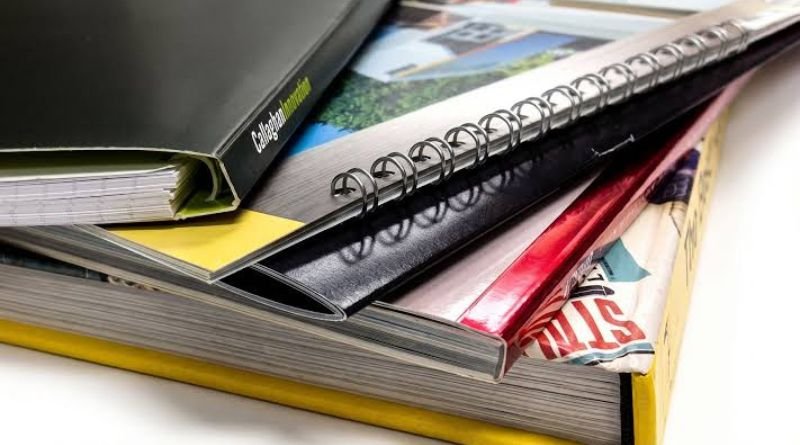
Understanding your options helps ensure your finished book matches your expectations and serves its intended purpose. Selecting the proper binding is not only about looks but also about how your audience will use the book. Whether you are preparing a short business guide, a thick textbook, or an artful photo collection, your choice can make all the difference. With the range of available binding options, each offering its own set of benefits and limitations, it’s essential to compare them thoughtfully. Evaluating factors such as frequency of use, expected longevity, and reader experience can help you choose the most reliable option. For example, a workbook that needs to lie flat on a desk requires a different binding than a coffee table book that prioritizes a luxurious feel. Weighing all the possibilities and understanding their characteristics is a crucial step in the production process.
Perfect Binding
Perfect binding is often selected for professional softcover books. This binding method glues pages together at the spine with a strong adhesive, resulting in a flat, square edge. Its clean, streamlined look makes it a favorite for countless publications, from novels to annual reports. Perfect binding is best for books with a medium to high page count (usually 50-600 pages), offering a good balance between durability and affordability. Perfect-bound books look highly professional on shelves and allow for full-color designs on the cover and spine. However, one thing to note is that these books generally do not lie completely flat when open, which can be a drawback for certain uses, such as cookbooks or workbooks.

Saddle Stitch Binding
Saddle-stitch binding is a cost-effective option ideal for short booklets, brochures, and catalogs. In this process, folded sheets are nested and stapled along the crease, creating a lightweight, easy-to-produce booklet. This method is most suitable for smaller projects with page counts up to 64 pages. Although saddle-stitched books are inexpensive and fast to manufacture, they do come with limitations. These books lack a spine that can be printed on, which may be a disadvantage for projects that need shelf visibility. Additionally, as the page count increases, the book can become bulky and difficult to keep flat. For most event programs and slim reports, however, this binding remains a go-to solution.
Case Binding
Case binding, also known as hardcover binding, provides maximum durability and a classic, elegant appearance. This method involves sewing pages together in sections (called signatures) and securing them inside a sturdy, often cloth-covered board cover. Case binding is best suited for premium books with high page counts, such as academic textbooks, coffee table books, and archival publications. The sturdiness of case-bound books ensures they can withstand years of handling and display. While the production cost of case binding is higher than softer alternatives, the investment pays off for books intended to endure. This approach is ideal for those who need an upscale product or require extended longevity for their content.
Spiral and Wire-O Binding
Spiral and Wire-O binding methods involve threading a spiral plastic coil or a wire loop through holes punched along the edge of the book. This allows pages to rotate 360 degrees and lay completely flat, which makes these bindings perfect for notebooks, manuals, calendars, and reference guides. Spiral binding is slightly more flexible, while Wire-O gives a more polished and upscale feel. These types of binding can accommodate a wide range of page counts, and the pages turn easily without risk of tearing. However, the exposed edge may feel less formal than that of glued or sewn bindings, and these books can be more vulnerable to damage if the coils are bent. Still, for workbooks or documents that are used frequently, spiral and Wire-O are hard to beat for functionality.
Factors to Consider When Choosing a Binding Method
- Page Count: Each method excels within a specific range of total pages. Saddle stitch works best for thin publications, whereas perfect and case binding are optimal for thicker volumes.
- Durability: Consider usage expectations. Case-bound books are the most durable, making them suitable for frequent handling. Spiral binding is durable for everyday use in functional contexts.
- Budget: Cost differences can be considerable. Saddle stitch and spiral bindings are generally less expensive, while perfect and case bindings offer a more premium finish at a higher cost.
- Functionality: Think about user experience. If the book needs to lie flat or stay open easily, spiral or Wire-O binding may be preferable.
- Aesthetic Appeal: The presentation style contributes significantly to the reader’s impression. Hardcover or perfect-bound books stand out for their professional, high-quality visuals.
Conclusion
Choosing the right binding for your professional book requires balancing several important factors: page count, functionality, durability, cost, and aesthetics. Each method has unique strengths and applications. Perfect binding is versatile for many softcover needs; saddle stitch is economical for brief booklets; case binding delivers luxury and longevity; and spiral/Wire-O binding provides practical ease of use. Take the time to consider how your book will be used and what impression you want to leave. With the right binding choice, you can ensure your book stands the test of time and makes a memorable impact on your readers.