Key Takeaways
- Do not reenter a fire-damaged home until fire officials say it is safe.
- Smoke, soot, water, and structural damage can create serious problems after the flames are out.
- Photos, receipts, reports, and written notes can support your insurance claim.
- Some belongings may be cleaned and saved, while others may be unsafe to keep.
- A step-by-step plan can reduce stress and help prevent costly mistakes.
The Fire Is Out, But The Work Is Not Over
After a house fire, it is normal to feel shocked, exhausted, and unsure what to do next. The visible burn damage may be upsetting, but it is often only part of the problem. Smoke can travel through closets, vents, and nearby rooms. Water used to put out the fire can soak floors, walls, and insulation. If you need local help with cleanup and recovery, professional fire damage restoration in Greater Boise can help address damage that may not be obvious at first.
The first goal is not to clean everything right away. Your priorities should be people, safety, property protection, documentation, and then cleanup and repairs. A careful approach can protect your health and make it easier to work with your insurer, landlord, or repair team.
Step 1: Confirm That Everyone Is Safe
Check on every household member and pet before focusing on the building. Seek medical care for burns, smoke exposure, coughing, breathing trouble, dizziness, or eye irritation. A veterinarian should also check pets to see if they were exposed to smoke or heat. If anyone remains in danger, call 911 immediately.
Arrange a safe place to stay if the home cannot be occupied. Gather urgent essentials if they are safely available, including identification, medications, phones, chargers, eyeglasses, pet supplies, and important contact numbers. For homes in nearby communities, experienced help with fire damage restoration in Meridian may be useful when smoke, soot, water, or odor has affected multiple areas of the property.
Step 2: Wait For Official Clearance Before Reentry
A home can remain dangerous after firefighters leave. Floors, ceilings, and walls may be weak. Wiring may be exposed, gas lines may be damaged, and hot spots can remain hidden inside walls or debris. Broken glass, nails, ash, and contaminated water may also create injury risks.
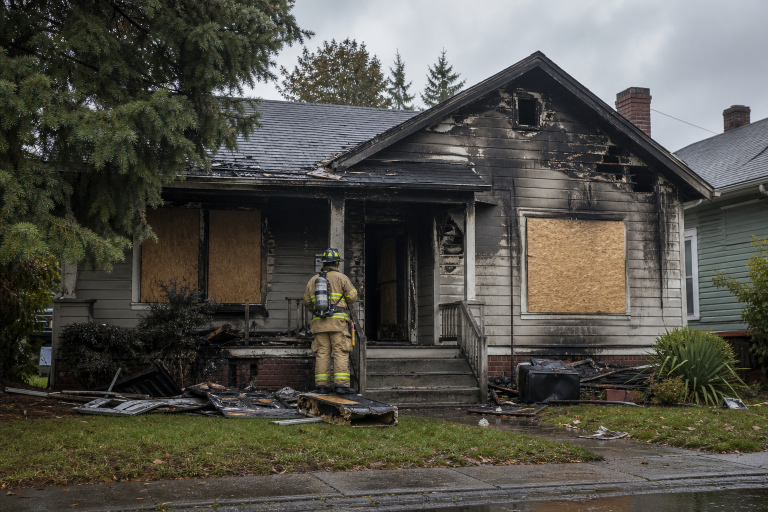
Only enter when local fire officials, inspectors, utility workers, or other qualified professionals say it is safe. Do not turn on electrical equipment, gas appliances, or water-damaged devices unless they have been inspected. If officials limit entry, follow those instructions closely.
Step 3: Protect The Property From Further Damage
Once entry is approved, protect the home from rain, wind, theft, animals, and cold air. Broken windows, damaged doors, and roof openings can turn a minor loss into a much larger repair project. Contact your insurer before arranging major emergency work when possible, then ask what temporary protection is covered.
- Board up broken windows and doors.
- Cover roof openings with proper temporary materials.
- Remove standing water when it can be done safely.
- Keep unauthorized people out of the property.
- Move undamaged items to a clean, dry, secure location.
Do not remove structural materials, cut utilities, or tear out walls without professional guidance. Those choices can affect safety, insurance documentation, and repair costs.
Step 4: Document Damage Before Cleanup
Take wide photos of every room before moving items. Then take close photos of burn marks, soot, water stains, damaged furniture, appliances, clothing, and personal items. Create a room-by-room inventory listing the item name, age, condition, location, original price (if known), and estimated replacement cost.
Keep your fire report, claim number, contractor notes, receipts, temporary housing costs, meals, clothing purchases, and transportation expenses in one folder. Avoid throwing away damaged belongings until your insurer has reviewed them, unless an item presents an immediate safety or health risk.
Step 5: Contact Insurance And Important Parties
Report the loss to your insurance company as soon as you can. Coverage differs by policy, so ask clear questions about emergency repairs, temporary housing, smoke cleanup, water removal, debris removal, personal property, and additional living expenses. Keep important conversations in writing when possible.
Renters should contact the property owner or manager right away. Homeowners may also need to notify a mortgage lender, depending on the loan agreement. Before signing a repair agreement, read the work scope, payment terms, timeline, and warranty details.
Step 6: Understand Smoke, Soot, And Water Damage
Smoke damage can reach areas far from the fire. Common signs include black or gray film, yellowed surfaces, stains on ceilings, residue in cabinets, a persistent odor, and irritation of the eyes, throat, or skin. Do not scrub every surface with water. Soot can smear, stain porous materials, and sink deeper into fabrics or unfinished wood.
Water from firefighting can cause additional damage. Look for soft drywall, swollen flooring, peeling paint, wet insulation, water stains, and musty odors. Hidden moisture can lead to mold growth and material decay if drying is delayed. Water-exposed electrical equipment should remain off until it has been inspected.
Step 7: Improve Indoor Air Quality
Fine particles, ash, and smoke odor can remain in the air and on surfaces after a fire. Children, older adults, and people with asthma, heart conditions, or other breathing conditions should avoid heavy cleanup work. Avoid candles, fragrance sprays, and other products that only cover odors or add more particles to the air.
Wear suitable protective clothing and respiratory protection when cleanup has been approved. Change shoes and clothing after handling ash or soot to prevent contamination of clean areas. The EPA’s indoor air quality guidance also recommends reducing ash exposure by avoiding dry sweeping and using damp cleaning methods or a HEPA-type vacuum when appropriate.
Step 8: Sort Belongings Carefully
Divide belongings into four groups: items that are safe to keep, items that need professional cleaning, items that need further inspection, and items that are unsafe or beyond recovery. Photograph each item before moving or discarding it. Food, medicine, cosmetics, and some plastics exposed to heat or smoke may not be safe to use.
Store salvageable items in a dry, secure area. For example, a smoke-damaged photo album may still be recoverable with careful drying and specialty cleaning. Do not mix smoke-damaged clothing or bedding with clean laundry before it has been evaluated.
Step 9: Choose Qualified Help And Avoid Common Mistakes
Ask contractors about training, insurance, written estimates, references, licenses, timeline, and who will handle electrical, plumbing, structural, and air-quality concerns. Compare the written work scope with your insurance adjuster’s notes. Be cautious of anyone who pressures you to sign immediately or demands a large payment before work begins.
Common mistakes include entering too soon, using damaged appliances, ignoring water damage, running air systems that may spread soot, cleaning with harsh chemicals without testing a small area, and discarding property before documenting it.
Questions Readers May Have
How Soon Should Cleanup Begin?
Start assessment and property protection promptly after safety clearance. The right schedule depends on the fire, water exposure, structural condition, and access to qualified help.
Can A Home Have Smoke Damage Without Severe Burn Damage?
Yes. Smoke can affect rooms far from the burned area, even when surfaces appear mostly intact.
Can You Live In The Home During Cleanup?
That depends on structural safety, working utilities, moisture levels, air quality, and hazardous residue. A qualified inspection should guide that decision.
Take Recovery One Safe Step At A Time
Recovery after a house fire rarely happens in a single visit or in a single week. Focus first on people and safety, then on protecting the property, documenting the loss, and making informed cleanup and repair decisions. Keep records, ask questions, and seek qualified help when the damage goes beyond basic household cleaning. A clear plan can make a difficult situation more manageable. The American Red Cross Home Fire Recovery Guide provides additional information on immediate support and next steps after a home fire.